


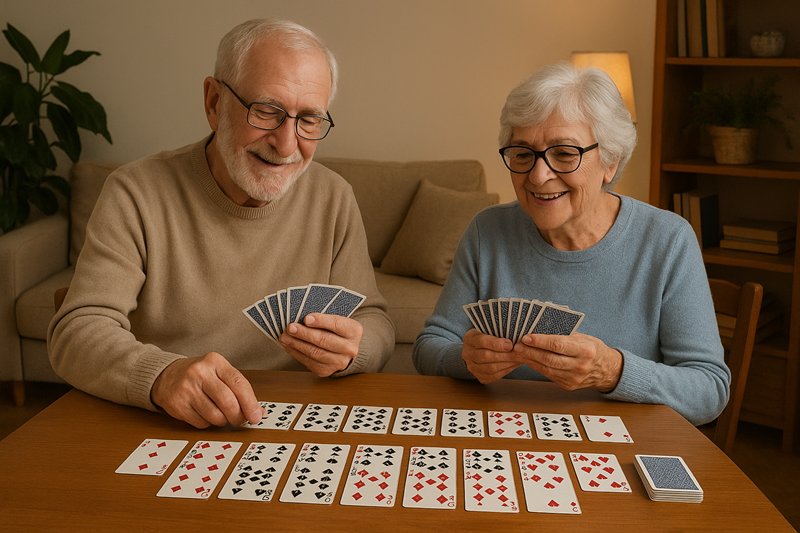
In an era dominated by screens, digital notifications, and virtual entertainment, gathering around a physical table for a game night offers a welcome and refreshing retreat. Classic card games provide the ultimate medium for social connection, offering a blend of nostalgic charm, tactical depth, and unfiltered laughter. Best of all, you do not need expensive board games with hundreds of plastic pieces or complicated rulebooks. A simple, standard fifty-two-card deck is all it takes to unlock hours of entertainment.
Hosting an unforgettable evening requires more than just pulling a dusty deck out of a kitchen drawer. Curating the right atmosphere, selecting a diverse lineup of games, and keeping the energy flowing smoothly turn a casual gathering into a memorable event. Whether you are hosting seasoned strategists or casual players looking for a fun evening out, thoughtful preparation makes all the difference.
Setting the Stage and Atmosphere
Before dealing the first hand, focus on creating an environment that encourages relaxation and engagement. Comfort and accessibility are the primary pillars of a successful setup.
-
Seating and Surface: Ensure you have a sturdy table with enough elbow room for everyone. Padded chairs are essential because guests will be seated for hours. A felt table topper or a soft cloth tablecloth not only protects the table but also makes picking up cards much easier.
-
Lighting and Acoustics: Good lighting is non-negotiable. Dimly lit rooms cause eye strain when players are trying to read small indices on cards. Keep overhead lighting bright and clear, and minimize loud background noise so players can easily hear bids, banter, and conversation.
-
Snacks and Refreshments: Choose finger foods that do not leave greasy residue on fingers, as oily cards stick together and ruin decks quickly. Bowls of pretzels, popcorn, nuts, and bite-sized baked goods work wonderfully. Keep drinks in spill-proof cups or place them on side tables away from the active playing area.
Curating the Game Lineup
A great game night follows a natural rhythm, moving from light icebreaker games to more intensive strategic contests, and finally winding down with casual fun. Having a variety of options ready keeps the energy dynamic.
The Warm-Up Phase
Start the evening with fast-paced, low-stress games that require minimal concentration. These games help late arrivals settle in and break the ice without making anyone feel left behind. Games focused on matching patterns or simple bluffing work exceptionally well during this opening window.
The Core Competition
Once everyone is relaxed and engaged, transition to more strategic team-based or competitive games. Trick-taking games or resource-management card games provide the intellectual challenge that keeps competitive spirits high. Splitting guests into partnerships or rotating seating positions keeps the social dynamic fresh and engaging.
The Grand Finale
As the night winds down, wrap up with casual, high-energy games that rely heavily on luck or humor. These final rounds ensure that even players who lost earlier in the evening leave with a smile, capping off the night on a high note.
Essential Rules for a Smooth Event
As the host, you act as the master of ceremonies and rule arbiter. Keeping the flow of the night moving smoothly prevents frustration and ensures everyone stays engaged.
Always review the rules briefly before starting a new game, even if most people have played before. House rules vary wildly from family to family, so establishing a clear consensus upfront avoids mid-game arguments. Provide a few backup decks of cards in case a card gets bent, stained, or lost. Most importantly, remind your guests that the primary objective is shared enjoyment rather than ruthless victory. Maintaining a lighthearted, welcoming tone sets the standard for the entire room.
Frequently Asked Questions
How many standard card decks should I have on hand for a large group?
For gatherings of up to five players, a single quality deck is usually sufficient. However, if you plan to host six or more people, or intend to play games that require combined decks like Canasta or specific multi-player variants, having two or three matching decks ready is ideal.
What are the best card games for mixed groups of adults and children?
Games that rely on matching, pattern recognition, or simple mechanics work best for mixed-age gatherings. They keep younger participants engaged without overwhelming them with heavy strategy or complex arithmetic.
How do I handle a player who is struggling to learn the rules?
Be patient and offer to play an open-hand practice round so they can see how turns progress. Pairing a newcomer with an experienced player for a partnership game is also an effective way to help them learn the ropes without pressure.
What is the best way to prevent food and drink spills on the playing table?
Designate a separate snack station or side table away from the main gaming surface. Encourage guests to step away from the table for heavy eating and utilize coasters or secure drink holders to protect the playing area.
How long should each game session last during the evening?
Aim for individual game lengths of twenty to forty minutes. This keeps the pacing brisk and allows your group to rotate through three or four different games in a single evening without anyone getting fatigued.
Should I provide physical scorepads and pencils for every player?
Yes, having dedicated notepads and sharp pencils or pens on the table makes scorekeeping seamless. It prevents confusion, keeps the game moving quickly, and adds an authentic, organized feel to the evening.
How can I gracefully end the game night when it gets too late?
Announce the final round of the evening before starting the last game. This gives everyone a clear mental endpoint, allowing the group to wrap up naturally on a positive and celebratory note.
