


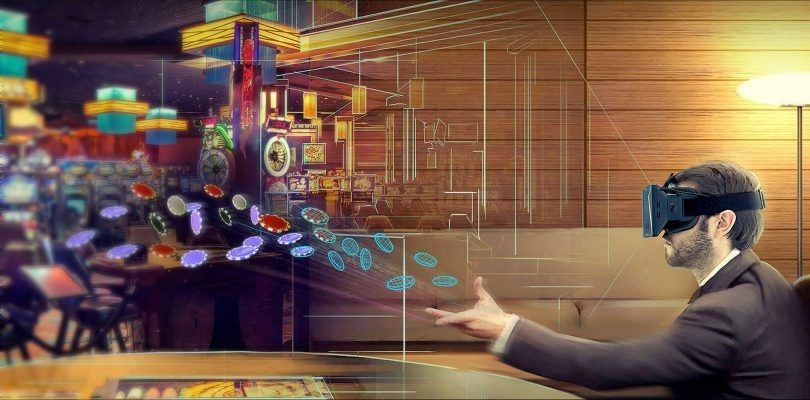
The intersection of entertainment, technology, and wagering has consistently pushed boundaries over the past several decades. Traditional land-based venues offered tangible atmosphere and human interaction, while online platforms provided unmatched convenience and accessibility. However, a major technological evolution is bridging the gap between these two worlds. Virtual reality immersive gambling is rapidly emerging as the next frontier in the iGaming industry, transforming how participants interact with digital environments, table games, and fellow players.
Stepping inside a digital casino via a headset alters the fundamental nature of online wagering. Instead of staring at a flat two-dimensional screen and clicking a mouse button, users are transported into fully realized, three-dimensional spaces complete with spatial audio, realistic physics, and lifelike social dynamics. This shift addresses the primary limitation of early internet gambling, which often felt isolated and sterile, paving the way for an engaging, community-driven future.
The Technological Leap Driving Virtual Casinos
The transition of gambling into virtual reality relies on heavy advancements in hardware and software engineering. Early iterations of virtual reality suffered from clunky cables, low-resolution displays, and motion sickness that limited extended use. Modern standalone headsets have largely eliminated these friction points, offering lightweight construction, crisp high-resolution lenses, and precise internal tracking.
-
Advanced Motion Tracking: Controllers and hand-tracking sensors allow users to pick up virtual chips, physically throw dice across a craps table, or peel back the corner of a poker card with natural hand movements.
-
Spatial Audio Integration: Sound design mimics real-world acoustics, allowing players to hear the clatter of a roulette wheel from across the room or converse quietly with someone sitting next to them at a blackjack table.
-
Cloud Rendering and Low Latency: Powerful cloud computing architecture ensures that complex three-dimensional environments load instantly without lag, maintaining the high frame rates necessary to prevent disorientation during fast-paced play.
Recreating the Social Fabric of Brick-and-Mortar Venues
One of the most compelling aspects of physical casinos is the social energy. The collective suspense around a craps table, the tense psychological stares across a high-stakes poker room, and the casual banter with dealers and patrons create a vibrant atmosphere that static online apps historically lacked.
Virtual reality platforms capture this communal dynamic by utilizing customizable avatars that mirror head movements and gestures. When you sit down at a virtual poker table, you are interacting with real people from around the globe in real time. You can read micro-expressions, listen to voice chats, and share celebratory high-fives after a big win. This social immersion creates psychological engagement that transforms a solitary digital transaction into a shared night out with friends or strangers.
Overcoming Challenges and Regulatory Hurdles
Despite the immense potential of virtual reality gambling, widespread adoption faces several distinct hurdles that developers and operators must navigate. Hardware accessibility remains a factor; while headsets are becoming more affordable, they still represent an upfront investment compared to standard mobile phones or desktop computers.
Furthermore, regulatory compliance in the digital space is notoriously complex. Gambling laws vary drastically across different jurisdictions, and virtual reality platforms must implement robust age-verification protocols, geo-fencing technology, and responsible gaming tools to protect users. Operators must ensure that immersive features do not exploit vulnerable players, balancing the entertainment value of hyper-realistic environments with strict consumer protection standards.
Frequently Asked Questions
Do I need an expensive computer to access virtual reality casinos?
Many modern virtual reality platforms operate on standalone headsets that do not require a tethered personal computer or external hardware, making entry into virtual environments much more accessible and cost-effective than in previous years.
How do players interact with virtual cards and chips?
Advanced motion controllers or built-in optical hand-tracking systems allow users to make natural physical gestures. You can pinch your fingers to grab chips, slide them forward to place a wager, or lift your cards to check your hand just as you would in a physical venue.
Can I communicate with other players inside a virtual casino?
Yes, virtual reality platforms feature spatial voice chat and expressive avatars. You can speak naturally with other patrons at your table, and the audio adjusts dynamically based on where people are sitting relative to your virtual position.
Are virtual reality casino games fair and regulated?
Licensed virtual reality platforms utilize certified random number generators and secure backend protocols to ensure fair play, mirroring the strict auditing standards required of traditional online and land-based gaming operators.
Do virtual reality casinos feature live dealers?
Many modern virtual reality implementations incorporate live streaming technologies or advanced artificial intelligence dealers to manage tables, providing a responsive and authentic human-like presence during gameplay.
What happens if a player experiences motion sickness during a session?
Developers utilize comfortable locomotion techniques, fixed reference points, and smooth transition mechanics to minimize disorientation. Most virtual reality casino games are designed to keep the user stationary at a table, which significantly reduces the likelihood of motion sickness.
How do transactions and payments work in virtual reality spaces?
Platforms typically integrate secure digital wallet systems, allowing users to manage account balances, deposits, and withdrawals safely using encrypted payment methods and emerging financial technologies within the digital environment.
